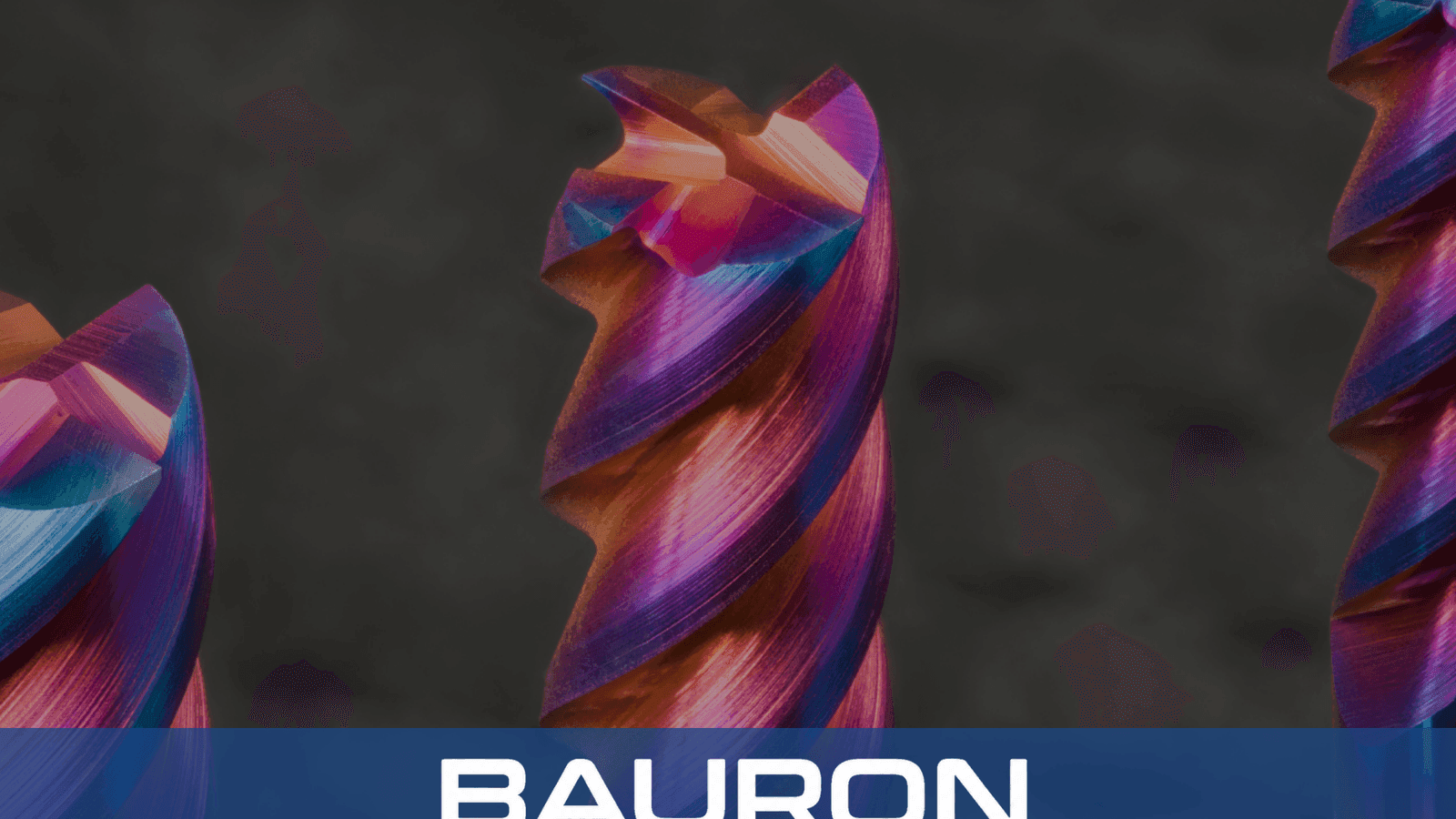
Angular Shearing
Angled cutting lips shear material to form uniform 60°, 90°, or 120° included-angle chamfers.

Pointed chamfer cutters are conical milling tools with a sharp, zero-radius tip. Unlike flat-end chamfer mills, the pointed geometry can enter small holes, tight internal corners, and narrow V-grooves.
Angled cutting lips shear material to form uniform 60°, 90°, or 120° included-angle chamfers.
The pointed tip reaches into small holes and tight recesses where a flat-bottom tool cannot fit.
One tool can perform top-edge chamfering, countersinking, 45° beveling, and fine V-carving.
Polished flute margins are designed to limit burrs and chatter marks on the bevel.
Reaches the bottom of tight internal angles and small-diameter bores.
Can replace separate deburring, countersinking, and engraving tools in suitable applications.
Produces clean chamfer profiles and can reduce manual bench deburring.
Solid carbide construction resists bending to support consistent chamfer width along long toolpaths.
Standard included angles of 60°, 90°, and 120° match different chamfer callouts.
| Specification | Range / Details |
|---|---|
| Diameter Range | 1/8" to 3/4"; metric 3 mm to 20 mm available |
| Point Profile | Sharp pointed tip with zero radius |
| Included Angles | 60°, 90°, and 120°; custom angles available |
| Flute Count | 2 flutes for plastics and non-ferrous materials; 4 flutes for steels and tough alloys |
| Shank Type | Straight cylindrical or Weldon shank |
| Operation Type | Edge deburring, countersinking, grooving, and engraving |
| Material / Coating | Best For | Key Advantage |
|---|---|---|
| Solid Carbide | Stainless steel, titanium, and high-temperature alloys. | Stiffness supports consistent chamfer widths. |
| TiAlN / AlTiN Coating | Hardened steels, cast iron, and dry milling. | Oxidation resistance protects the pointed tip from thermal wear. |
| DLC / ZrN Coating | Aluminum, copper, and non-ferrous materials. | Low friction helps prevent built-up edge on the chamfer flutes. |
Solid carbide provides rigidity, TiAlN or AlTiN supports harder materials and dry cutting, and DLC or ZrN helps reduce material buildup in non-ferrous applications.
Integrate the cutters into automated deburring cycles for 2D and 3D contours.
Use live tooling to deburr turned cross-holes and angled feature edges.
Perform high-speed V-grooving, edge chamfering, and engraving in plastics and aluminum sheet.
Deburrs pre-drilled holes and sharp milled edges in automated CNC production.
Bevels small-diameter hole openings for flat-head screw seating.
Cuts serial numbers, alignment marks, and narrow fluid channels.
Follows contoured part perimeters to apply chamfers along angled 3D surfaces.
A pointed cutter ends in a zero-radius tip that can enter small holes and narrow internal corners. A flat-end chamfer mill has a non-zero tip diameter that improves tip strength for larger chamfers but limits access.
Because surface speed at the exact point is zero, offset the toolpath so cutting occurs along the middle of the chamfer flute rather than at the extreme tip.
Yes. Their pointed tip and defined angle support serial numbers, logos, alignment marks, and narrow fluid-routing channels in metals and plastics.
A 90° included angle cuts a 45° bevel and is commonly used for deburring. The source recommends 60° for tight-angle grooves or specified thread chamfers and 120° for shallow deburring and sheet-metal countersinking.
Bauron can manufacture non-standard included angles such as 82° or 100°, extended neck lengths, custom flute counts, and application-specific coatings.
Bauron provides design and engineering support for custom included angles, extended necks, flute counts, and application-specific coatings. Share drawings and machining requirements for technical review.
Talk to Engineering